Ten years ago, the recovery protocol in an average NFL locker room was simple: get in the ice tub, grab a protein shake, and hope you aren’t limping too hard by Tuesday. If you were really fancy, the head trainer might have a massage table open. That was the extent of the "science."
Fast forward to today. The NFL culture shift has been seismic. It’s no longer about who can survive the most physical punishment. It’s about who can manage their internal systems well enough to repeat high-level output on a four-day turnaround. I’ve spent nearly a decade talking to trainers who were once fighting just to get more sleep pods in the facility, and the difference is night and day.

But let’s be clear: a lot of this is being sold to you as "magic." It isn't magic. It's logistics, discipline, and managing the absolute brutality of an NFL travel schedule. If you’re looking for a quick fix, you’re in the wrong league.
The Evolution of Recovery Science
In the past, recovery was reactive. You got hurt or felt sore, and you treated it. Today’s recovery science is proactive and, more importantly, predictive. We aren't just looking at ice baths anymore; we are looking at hormonal profiles, nervous system readiness, and fluid dynamics.
The biggest hurdle in the NFL isn't the workout—it's the travel. When you’re flying from Miami to Seattle on a Sunday night, your circadian rhythm is taking a sledgehammer to the face. The modern approach isn't about fancy gadgets; it’s about mitigating the damage caused by time zones and high-altitude travel. Teams are now using sophisticated lighting protocols and timed nutrition to reset the biological clock before the player even steps off the plane.
Wearable Performance Technology: Signal vs. Noise
Let’s talk about the elephants in the room: wearable performance technology. You see the players wearing monitors under their jerseys, and you see the marketing copy promising "optimal recovery scores."
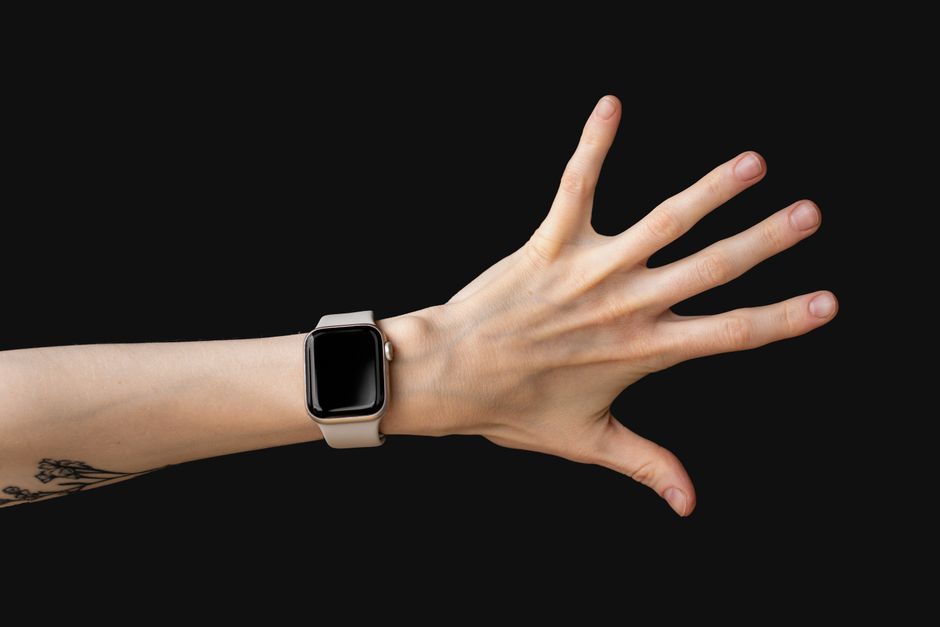
Listen, as someone who has dealt with the data, here is the truth: these devices provide a signal, but most people are drowning in the noise. A biometric monitor—whether it’s tracking heart rate variability (HRV), resting heart rate, or sleep architecture—is only as good as the human reading wearable performance technology it.
If you're a high-level athlete, you don't need a gadget to tell you that you’re tired after a cross-country flight. You need the gadget to tell you *why* your HRV is tanking so you can adjust your load for the week. The culture shift here is that players now trust the data over their own stubbornness. Ten years ago, a guy would lie to the coach about how he felt because he didn't want to lose reps. Today, the biometric monitoring gives the coach the permission to pull the player aside and say, "The data says you’re redlined, you’re sitting out today."
Sleep Optimization as a Competitive Edge
If there is one thing that has moved the needle in the last decade, it’s the realization that sleep isn't a passive activity—it’s the cornerstone of performance. In the NFL, this is the hardest constraint to manage.
The schedule is built for television, not for human biology. Thursday night games are a nightmare for the body. The recovery window is sliced in half. To combat this, elite programs have moved toward personalized sleep environments. We’re talking about blackout curtains, temperature-controlled mattresses, and strict no-blue-light policies in team hotels.
The goal isn't just "more sleep." It's about sleep *efficiency*. When you’re sitting in an airport lounge at 2 AM, the "performance" isn't the supplement you take; it’s the ability to shut your brain off in a suboptimal environment. That’s a skill, and it's being coached.
The Real vs. The Marketed
Feature What Marketing Says What Actually Matters Biometric Monitors "Optimizes your daily health." Tracks trends to prevent overtraining. Cryotherapy "Instantly heals inflammation." Provides a placebo effect and temporary pain relief. Sleep Supplements "Guaranteed deep sleep." Consistency and managing light exposure. Compression Gear "Accelerates muscle recovery." Improves subjective comfort and blood flow.Mental Performance: The Final Frontier
You can’t talk about recovery without talking about the brain. The physical load of a 17-game season is massive, but the cognitive load? That’s where players break down. The culture shift toward mental performance hasn't just been about "wellness." It's been about nervous system regulation.
When a player is constantly stuck in a sympathetic "fight or flight" mode—which happens every single Sunday—they don't heal. Their cortisol levels spike, their immune system drags, and their recovery drops to zero. Modern programs now integrate breathwork and mindfulness, not because it’s "trendy," but because it’s a biological requirement to flip the switch back to a parasympathetic "rest and digest" state.
It’s not about being "soft." It’s about being a machine that knows how to turn off the engine so it doesn't overheat. If you’re a pro athlete and you can’t manage your own stress, you’re leaving money on the table.
Real-Life Constraints: Why the "Perfect" Routine Doesn't Exist
I get asked all the time: "What is the perfect NFL recovery routine?"
My answer is always the same: It doesn't exist. You have to work within the constraints of your life. If you’re a player, your routine is dictated by the bus schedule, the flight time, the media obligations, and the game plan.
If you're a young athlete trying to emulate the pros, stop chasing the gadgets and start chasing the habits. Here is the hierarchy of what actually matters:
Consistency: Do your recovery work even when you’re winning and feel great. Environment: Control your sleep space as much as you control your locker. Hydration/Nutrition: Boring, but it beats every supplement on the market. Data Literacy: Understand your biometrics enough to know when to push and when to throttle back.The Verdict: Has the Culture Truly Shifted?
Yes and no. The *tools* have shifted, but the *mentality* is still a work in progress. You still have guys who view recovery as a chore rather than a job requirement. But the teams that win consistently? They’ve moved past the "tough guy" myth. They understand that a player is a biological system. If you ignore the science of that system, you’re losing games in the third quarter.
We’ve spent the last ten years trying to find shortcuts. We’ve looked at every pill, every vibration plate, and every fancy laser. At the end of the day, the sports performance trends that actually stick are the ones that respect human biology—not the ones that just sound good in a press release.
If you take away one thing from this shift, let it be this: Recovery isn't a reward for working hard. Recovery is the work. If you aren't doing it, you're not a professional; you're just someone waiting for your body to break.
Final Thoughts for the Aspiring Professional
If you’re working in sports or trying to optimize your own performance, be wary of anyone promising a "breakthrough" recovery tool. If it sounds like a shortcut, it’s a marketing gimmick. Real progress is found in the tedious stuff: monitoring your sleep trends over six months, adjusting your travel protocol for time zone shifts, and actually listening to your body when the data aligns with how you feel.
The NFL is the most physically demanding league in the world. The players who last aren't the ones who use the most gadgets. They’re the ones who manage their reality—the travel, the stress, and the schedule—better than the guy lining up across from them.