If you have ever spent a 36-race season hauling gear across the country, you know the sound of the garage at 2:00 AM. It’s not the sound of luxury; it’s the sound of mechanics nursing stiff backs, drivers trying to shed 10 pounds of water weight after a 500-mile slog, and everyone wondering how they’re going to be functional by the Monday morning flight. I spent 11 years in that environment, moving from short-track strength coaching to the big show. During that time, I’ve heard every "miracle recovery" supplement pitch in the book. Lately, the loudest buzz is around CBD.
The question I get asked most by team members and fans alike is: "Does CBD actually touch pain, or is it just making me feel like I don't care about the pain anymore?" Let’s cut through the "detox" marketing fluff and look at the actual physiology of racing and the chemistry of cannabinoids.
The Physiological Reality: Racing is Not "Sitting Down"
First, let’s address the elephant in the room: people who think drivers just "sit there" are delusional. I’ve spent enough time in the cockpit to know that it is a high-load athletic event.
- NASCAR Heat and Dehydration: During a mid-summer race at a track like Darlington or Phoenix, cockpit temperatures can easily exceed 140°F. Drivers are under constant cardiovascular strain, often maintaining heart rates of 140–160 BPM for three to four hours. They are battling fluid loss that would hospitalize a normal person. IndyCar and F1 Neck Load: If you think it’s just heat, talk to an IndyCar driver after a high-downforce street circuit. When you’re pulling 4 to 5 Gs in a corner, your neck is fighting to keep your head—which is weighted down by a heavy helmet—attached to your shoulders. That is constant, repetitive muscular trauma. The Travel Fatigue Factor: The 36-race grind isn't just about the drive; it’s the 15 to 45 minutes of post-race debriefs, the 2:00 AM hotel check-ins, and the time-zone-hopping that ruins sleep cycles.
When you’re dealing with this level of systemic inflammation, you don't need a "vibe"; you need recovery. The question is whether CBD is a viable tool for that, or if it’s just expensive placebo.
Pain Perception vs. Stress Regulation
When we talk about pain perception CBD, we have to distinguish between an analgesic (like Ibuprofen) and a modulator. CBD is not going to "fix" a torn labrum or a bulging disc. However, it does interact with the endocannabinoid system (ECS), which acts as the body's master regulator.
Research, including studies published in The Permanente Journal, suggests that CBD can influence how the brain perceives anxiety and stress. By helping with stress regulation CBD protocols, it can lower the sympathetic nervous system's "fight or flight" response, which is often chronically elevated in the high-stress environment of a garage area.
Is it just relaxation?
If you use CBD and feel "less stressed," you are likely experiencing a reduction in the nervous system’s heightened alertness. When your body is constantly in a state of high tension, your pain perception is amplified—a phenomenon known as hyperalgesia. By using CBD to dial back the stress, you are indirectly raising your pain threshold. You aren’t numbing the nerve; you’re calming the system that interprets the pain signal.
The "No COA, No Go" Rule
I have zero patience for brands that don't provide a certificate of analysis (COA). In the world of professional motorsports, a failed drug test isn't just a career-ender—it’s a lawsuit waiting to happen. If you are a driver or a crew member, you need to know that your product is free of THC, heavy metals, and pesticides.
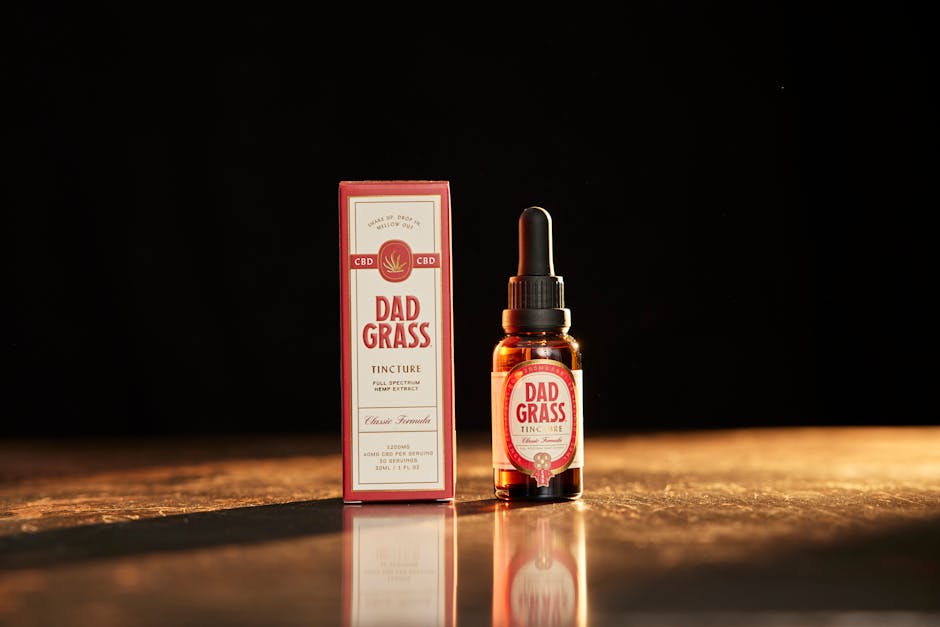
Third-party lab testing is the only metric I trust. If a brand can’t show me a batch-specific COA that confirms exactly what is in the bottle, I assume they are hiding something. I’ve seen enough "miracle-cure" labels hide dangerous contaminants to know that the testing is the product.
Brands like Joy Organics are frequently cited in industry circles for their transparency in this regard. When you are operating in a high-stakes environment where every supplement is scrutinized, finding a brand that adheres to strict testing standards is non-negotiable. Always check the QR code on the packaging; if it doesn't lead to a verified lab report, put it back on the shelf.
Navigating the WADA and Testing Landscape
For those competing at higher levels, you have to be mindful of the World Anti-Doping Agency (WADA) guidelines. While CBD itself is no longer a banned substance under WADA, the presence of THC remains a major risk. A full-spectrum product that isn't meticulously processed can trip a positive test. That is why I consistently lean toward high-quality broad-spectrum or isolate options for those subject to regular testing.
Protocol Expected Benefit Timing for Crew/Drivers Stress Regulation CBD Lower cortisol, improved focus 15 to 45 minutes pre-race/qualifying Sleep Support CBD Improved sleep architecture 45 to 60 minutes before lights out Pain Perception CBD Modulated inflammation response Daily consistency/Post-race recoveryWhy Sleep is the Real Performance Enhancer
The most honest answer I can give regarding CBD's utility is that its biggest impact on racing is likely sleep support CBD. There is no physical therapy, ice bath, or supplement that replaces 8 hours of quality REM sleep. After a race weekend where your circadian rhythm has been absolutely torched by travel, your inflammatory markers are through the roof.
If CBD helps you fall asleep 20 speedwaydigest.com minutes faster or prevents you from waking up three times a night due to cortisol spikes, you are going to recover significantly better than the guy relying on sleep aids that leave him groggy the next morning. That’s not a "miracle"—that’s just basic human recovery.
Final Thoughts: A Practical Approach
Don’t fall for the hand-wavy "detox" talk. CBD won’t magically fix your biomechanics, and it won’t make you a better driver. However, it can be a useful tool for managing the systemic stress of a 36-race season if—and only if—you follow these rules:

Racing is brutal on the human body. Between the G-forces, the heat, and the soul-crushing travel schedule, we need every advantage we can get. Just make sure your recovery tools are as disciplined as your pit stops.